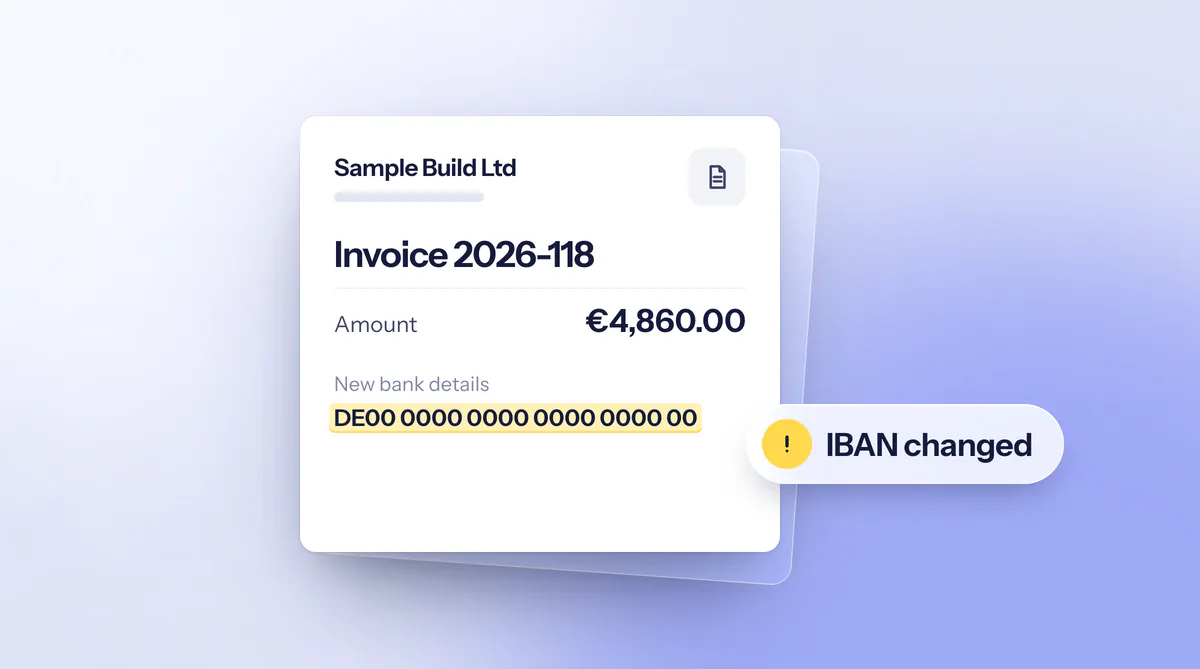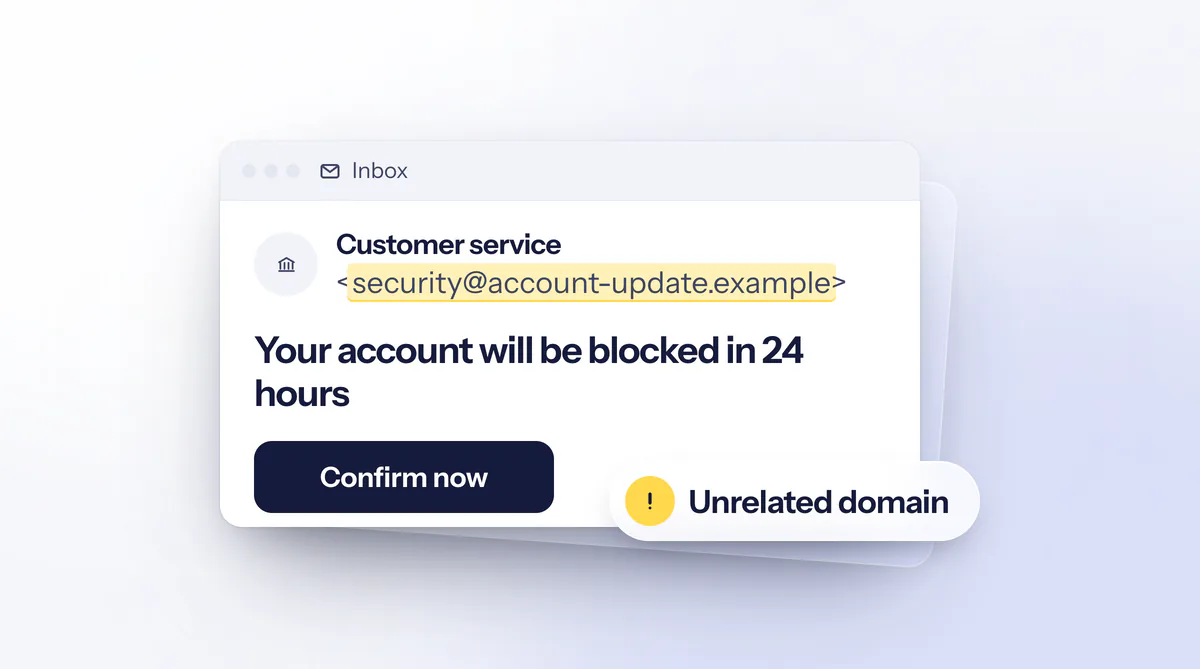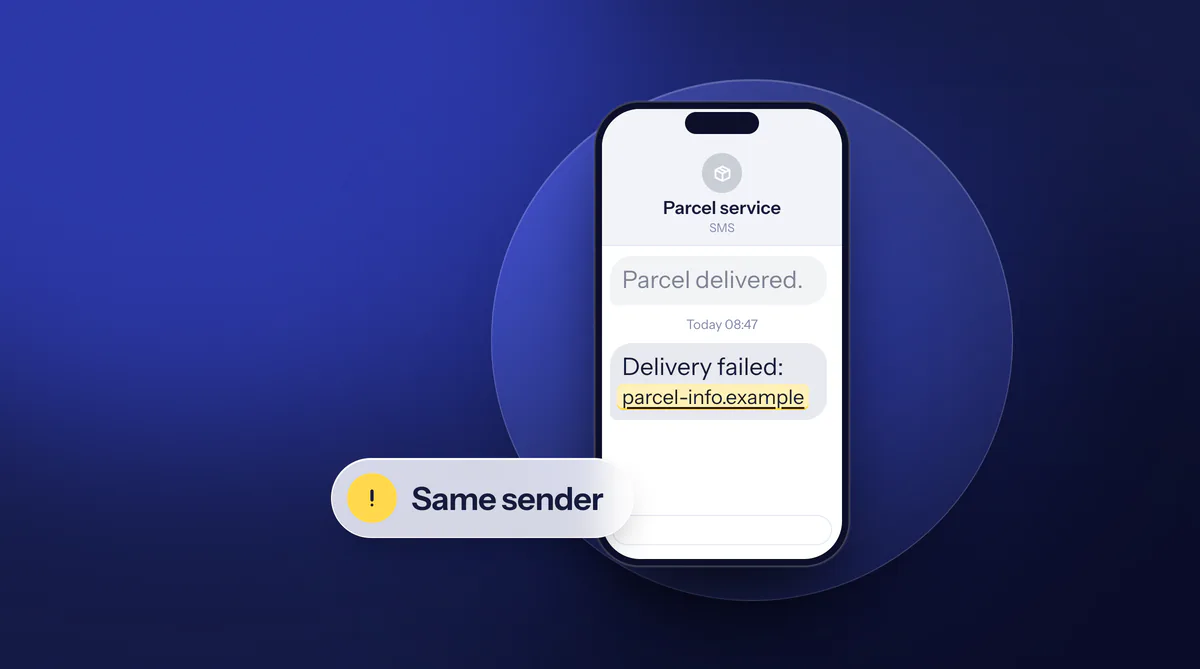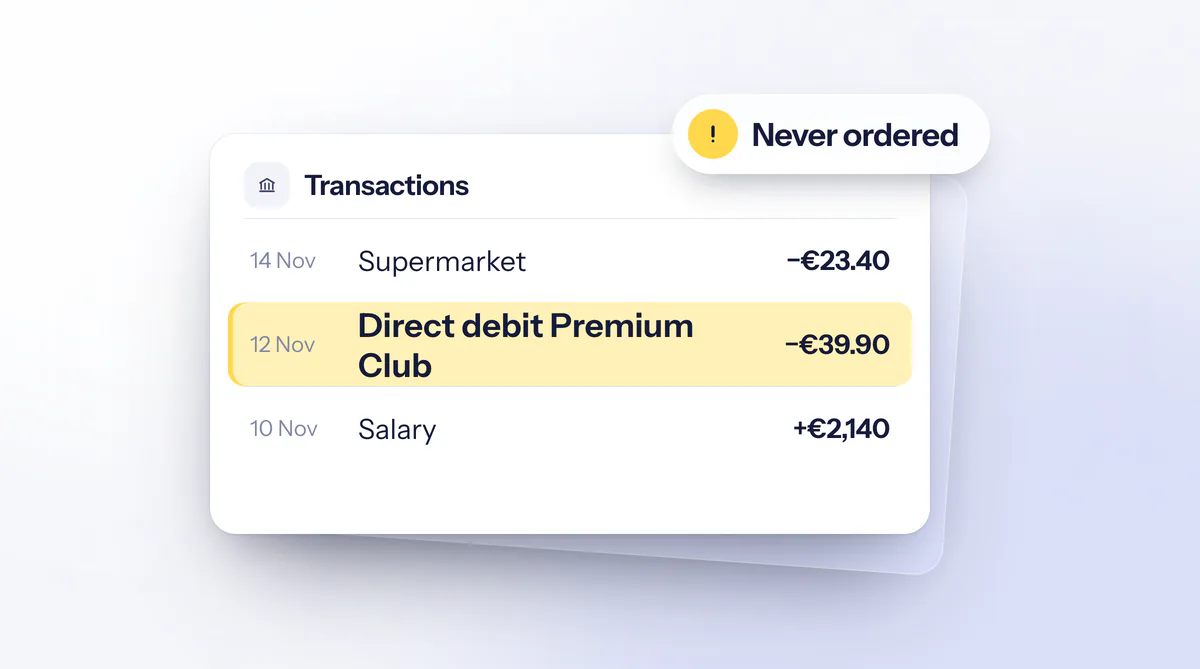
Usually it arrives in the post: an invoice, a payment reminder or a threat of debt collection for a contract you do not remember. Sometimes the subscription only shows up as a third-party line on your phone bill. The Hamburg consumer advice centre advises against paying such invoices and recommends objecting in writing. Whether a contract was made at all depends on how the order page was built.
What the reminder threatens
The letters threaten debt collection, some an entry with the credit bureau Schufa, and if a child is supposed to have ordered, a criminal complaint over false age details. The Hamburg consumer advice centre says none of this should intimidate you. A disputed claim may not be recorded, according to the centre, and once you have stated that no contract exists, you have nothing more to fear from the credit bureau. A payment you made at some earlier point does not confirm a contract either.
When a contract exists and when it does not
Anyone selling something for a fee online must, under section 312j(3) BGB, design the ordering process so that you expressly confirm an obligation to pay. If you order through a button, it must be clearly legible and labelled with nothing other than the words “zahlungspflichtig bestellen” (order with obligation to pay) or a corresponding unambiguous wording. Under paragraph 4 the contract comes into being only if the provider meets this duty. No correctly labelled button therefore means no contract, and the Hamburg consumer advice centre reads it the same way.
Paragraphs 2 to 4 do not apply to contracts concluded exclusively through individual communication, such as email (section 312j(5)), and the duties under paragraphs 1 and 2 do not apply to financial services. So whether you are bound depends on how the order was placed. Take a screenshot of the order page early, while you can still find it; the Hamburg centre expressly recommends it.
Before the order, the term, the cancellation conditions and the total costs must be stated clearly; if they are missing, the Hamburg consumer advice centre names a claim for damages. If you were not, or not fully, told about your right of withdrawal, you can still withdraw after two weeks have passed. According to the centre, contracts of minors without their parents’ consent are invalid, and parents are not liable for their children.
What to do now
- Do not pay.
Not even when the reminder sounds harsh, the Hamburg consumer advice centre says. Leave any further invoices unpaid as well.
- Secure evidence.
Save the invoice, the emails and the bank statement. Take a screenshot of the website if you can still find it.
- Object in writing.
By registered letter, delivered by hand, you state that no contract was made. The Hamburg centre offers a free template letter for this.
- Stop ongoing debits.
Return the direct debit through your bank and revoke the mandate. How long you have depends on whether there was a mandate.
- Consider withdrawing.
If a contract was made, the withdrawal period under section 355 BGB is 14 days from the conclusion of the contract. Withdrawal needs no reason, and sending it in time is enough to keep the deadline. The period does not start before the provider has properly informed you. The right lapses at the latest twelve months and 14 days after the period begins (section 356 BGB).
If the invoice came by email, enter it at Check an email. For an account you are asked to pay, Check an IBAN shows whether reports exist. An unremarkable result is no assurance that the claim is justified. If you receive mail from a court, take it to a consumer advice centre, which can also assess your individual case.
If you have paid and think deception was involved, report it to the police. The routes by state are under Where to report it, the steps after a payment under Already paid?.
If the money has already been taken
The route back depends on how the money was taken. Nobody can promise the outcome.
How was it paid?
Direct debit, up to eight weeks ago
- Return it in online banking or at the bank
- No reason needed
- Revoke the mandate
Direct debit without a mandate
- Inform the bank without delay
- At the latest 13 months after the debit
- Save the statement
Item on the mobile phone bill
- Identify the operator and deactivate the subscription
- Dispute it with the operator and the mobile provider
- Set up a third-party billing block
Orientation, not legal advice. Deadlines under sections 675x and 676b BGB and according to the consumer advice centres.
Sources: Section 675x BGB; Section 676b BGB; Consumer advice centres: third-party billing block
What the law says about direct debits
For SEPA core direct debits you can, under section 675x(2) BGB, demand a refund from your bank without giving reasons. Under paragraph 4 the claim must be made within eight weeks of the debit. For debits without a mandate the consumer advice centres name up to 13 months. Section 676b BGB requires you to tell the bank without delay once you notice; if you report it more than 13 months after the debit, claims are excluded. This section is not legal advice.
Charges on the mobile phone bill
Identify the subscription operator from the details on the bill, deactivate the subscription and dispute the bill with the operator and your mobile provider at the same time. The consumer advice centres advise objecting to both, because the question of responsibility has not yet been settled by the highest court. Keep paying undisputed items so your line is not blocked. You request a third-party billing block from your mobile provider, by letter, by email or often in the customer portal. It applies only to billing through the phone bill and leaves mobile payment untouched.
Cancelling a genuine subscription
Since July 2022, providers with whom you can conclude a continuing contract on a website must offer cancellation there too (section 312k BGB). The button must be labelled “Verträge hier kündigen” (cancel contracts here) or an unambiguous equivalent and must always be available. It leads to a confirmation page where you send the cancellation with “jetzt kündigen” (cancel now) or an unambiguous equivalent. The provider must then confirm without delay, electronically, what you declared, when it arrived and when the contract ends. If you give no date, the earliest possible one applies in case of doubt. The rule does not apply to financial services.
If the buttons or the confirmation page are missing, section 312k(6) BGB lets you cancel the contract at any time without a notice period. According to the consumer advice centres’ page (as of 7 August 2026), the Federal Court of Justice ruled, on a claim by the Federation of German Consumer Organisations, that the confirmation page may show only the details needed for the cancellation. If the provider advertises extras there, the cancellation is treated as not correctly implemented.