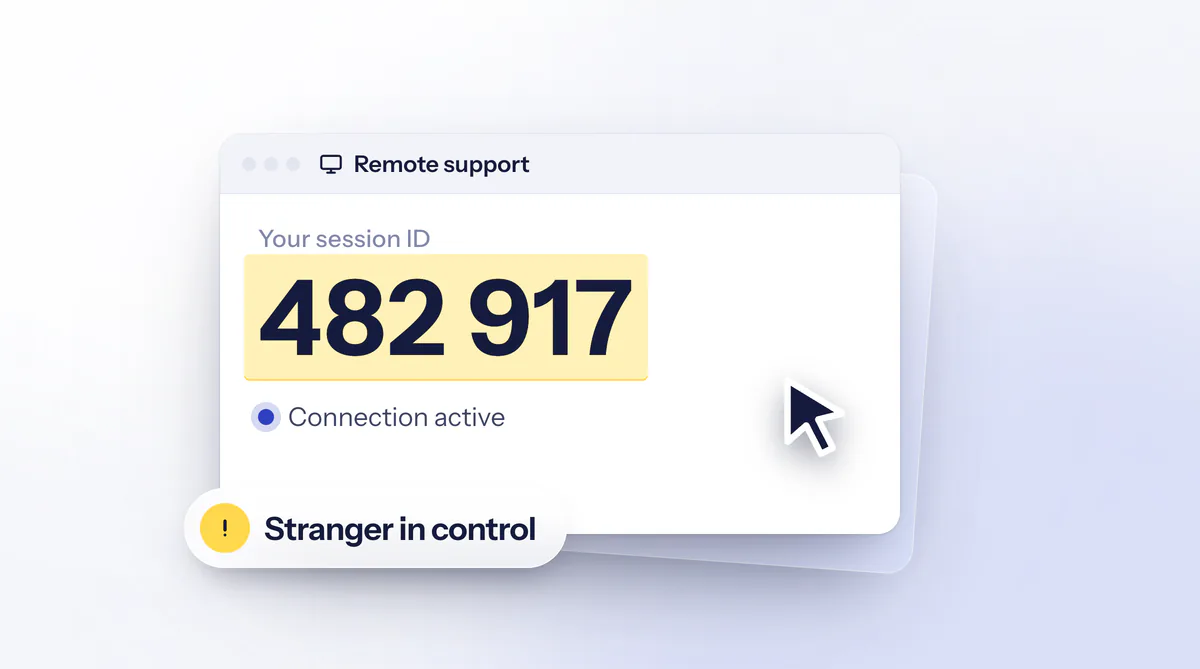
A caller introduces himself as a technician, from Microsoft for instance, and claims your computer is infected with viruses or has errors. So that he can take a look, you are to install a remote-maintenance program. Once he is on the computer, he asks for money: the German consumer advice centres mention up to 400 euros for an anti-virus maintenance package, and sometimes it is codes for prepaid credit. The police and Microsoft describe the same scheme.
What the caller is after
While pretending to repair the computer, the criminals steal data or install malware. If you work from home, the police say the remote-maintenance program may also let them into your employer’s systems.
The money comes afterwards, as a fee for the supposed service, for a paid maintenance contract or for a supposedly expired licence. Refuse, and they threaten to lock the computer and delete data. Some victims are sent to supermarkets or petrol stations to buy voucher codes, others are told to make test transfers. All of this is reported by German Police Crime Prevention.
- 1TriggerA call or pop-up with a warning and a phone number.
- 2ClaimYour computer is supposedly infected or hacked.
- 3AccessYou install a remote-maintenance program.
- 4DemandA fee, a maintenance contract or voucher codes.
- 5Account accessThe callers see login details or use your online banking.
Recreated sequence based on descriptions by German Police Crime Prevention, the consumer advice centres and Microsoft. Individual calls differ.
Sources: German Police Crime Prevention: fake Microsoft employees; Consumer advice centres: Microsoft employees
How to recognise the call
Real companies such as Microsoft do not get in touch unprompted, and the police list a call out of the blue as a warning sign. The callers often speak only English or poor German and, according to the police, work from a call centre abroad.
Sometimes you make the call yourself, because a warning with a phone number appeared on screen first. The consumer advice centres describe fakes that look like a Windows security alert. According to Microsoft, genuine error messages from Microsoft or other large technology companies never contain phone numbers. If the screen fills with such pop-ups, close the browser at once, and if that fails, restart the computer. If you feel unsure, ring someone you trust, a family member for instance.
The following sentences are invented and do not reproduce a real call. They follow the patterns the police and the consumer advice centres describe.
- “Good day, this is the technical service. Your computer is sending error messages, it is infected with a virus.” You never sought contact.
- “Please install a small program so I can connect.” Remote access is what the scheme is about.
- “The licence has expired, there is a small fee.” Microsoft names small fees for the service as typical.
- “For safety we will make a test transfer.”
- “I am from your bank. The technician has put your account at risk, I will guide you through securing it.” That is how the fake bank employee begins whom BaFin, the German financial regulator, describes under the heading of vishing.
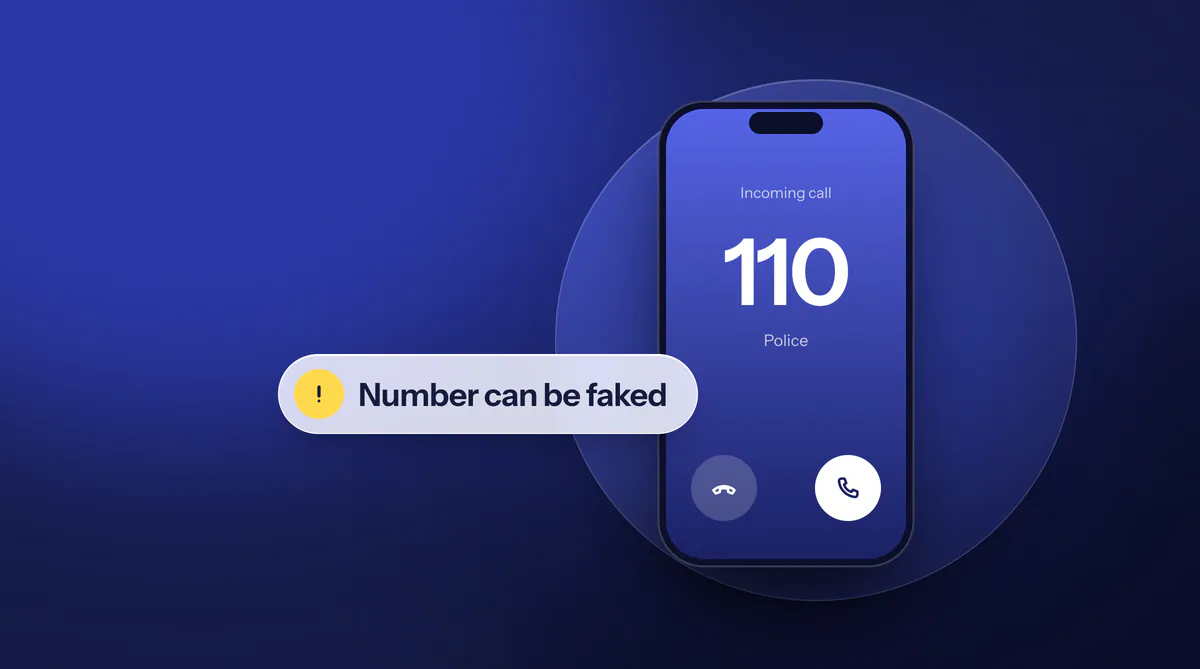
You cannot rely on the number on your display. The Federal Network Agency writes that criminals can show real numbers, including ones that belong to someone else, so a call back may reach the real owner. The consumer advice centres therefore advise against using the redial button and suggest asking the genuine organisation on a number you look up yourself.
What to do on the phone
- Hang up.
If a service employee calls when you did not ask for help, end the call, threats or not. The police and Microsoft both advise this.
- Give out no login details.
No account, card or customer login details, not even for PayPal or the bank.
- Install nothing.
No third-party software on a computer, tablet or smartphone while someone on the phone is guiding you.
If a number has called you, enter it at Check a phone number. We show whether reports exist for it. An unremarkable result is no assurance. How callers pose as the police is described in Shock calls and fake police.
If you have already given access
What has already happened?
Only hung up
- Note the number and the time
- Report it to Microsoft
- Warn relatives
Remote access given
- Disconnect from the internet and shut down
- Change passwords from another device
- Have the computer checked and the program removed
- File a report
Money or codes passed on
- Inform the bank, block the card via 116 116
- Check your statements
- Inform payment services
- File a report
Orientation, not legal advice. Steps according to German Police Crime Prevention and the consumer advice centres.
Sources: German Police Crime Prevention: fake Microsoft employees; Consumer advice centres: Microsoft employees; Blocking hotline 116 116
- Computer off the network.
Disconnect it from the internet and shut it down.
- Change passwords.
From a device that was not affected, starting with email accounts, online banking and online shops. The consumer advice centres warn that callers can use the access to spy out online-banking passwords. Also inform payment services and companies whose login details may be affected.
- Have the computer checked.
Have specialists check it and remove the remote-maintenance program, because malware may have been installed.
- Inform the bank.
Ask whether payments already made can be recovered. The blocking hotline 116 116 blocks girocard, credit card and online banking around the clock, free from a German landline.
- File a report.
With the police, for example through the online police station of your state. The routes are under Where to report it.
If money has gone
Whether money comes back depends on how you paid and how the bank assesses your case. The police advise asking the bank and promise no outcome. For voucher codes the sources name no way back; file a report and keep the codes and the receipt. Steps after a payment and notes on evidence are under Already paid?. If you transferred money to an account you were given, check it with Check an IBAN.
On its support page Microsoft offers a form for reporting scam attempts and asks you to warn friends and family. Report manipulated numbers that called you to the Federal Network Agency, and do it soon, because traffic data are usually deleted after seven days. The agency is not responsible for criminal prosecution; that remains a matter for your police report.