A first-time seller clicked “confirm payment” and was asked on the following page to link his account and confirm a transaction. About 2,890 euros were then debited. Verbraucherzentrale Niedersachsen, the consumer advice centre for Lower Saxony, reports the case. According to its own information, Kleinanzeigen does not send payment requests by email or text, and the steps of “Sicher bezahlen” (secure payment) run only in the platform’s chat. Buyers lose their money another way, for instance by transferring to an account that does not belong to the seller at all.
If you are selling
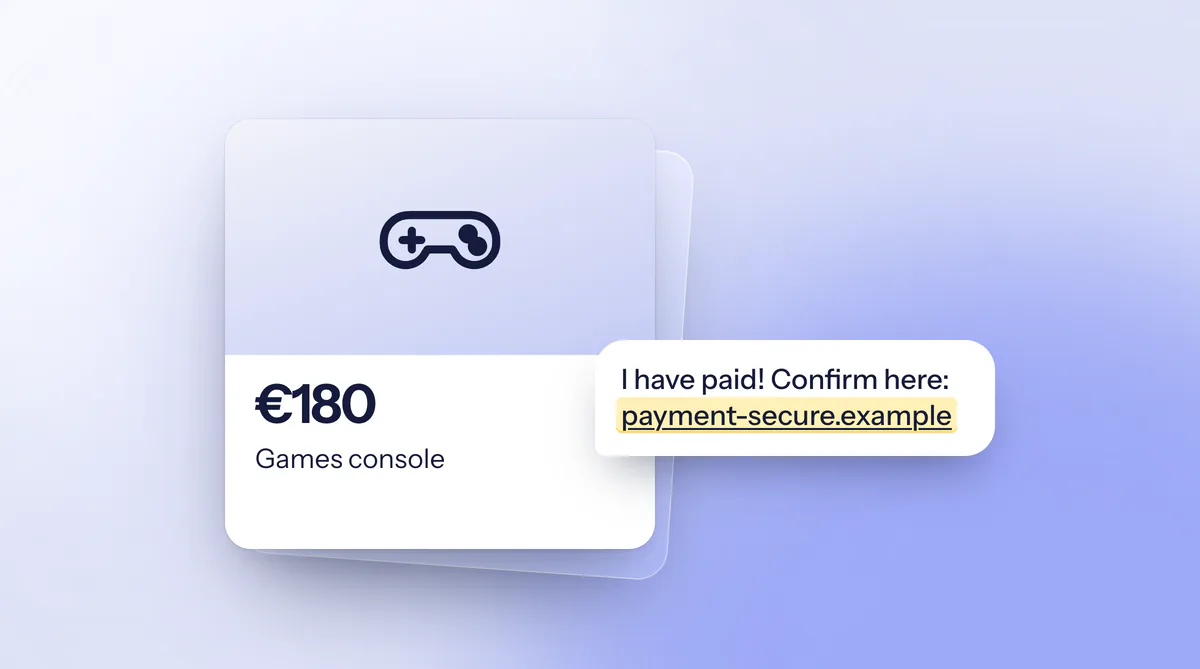
A supposed buyer claims the payment failed because of wrong details and sends a link to a fake payment page. Others send an image with a QR code as supposed proof of payment, or a “Sicher bezahlen” link that ends on a rebuilt page asking for credit card or PayPal details. The Verbraucherzentrale (consumer advice centre) describes all of these and applies one test to them: genuine payment services pay you without asking you to confirm anything.
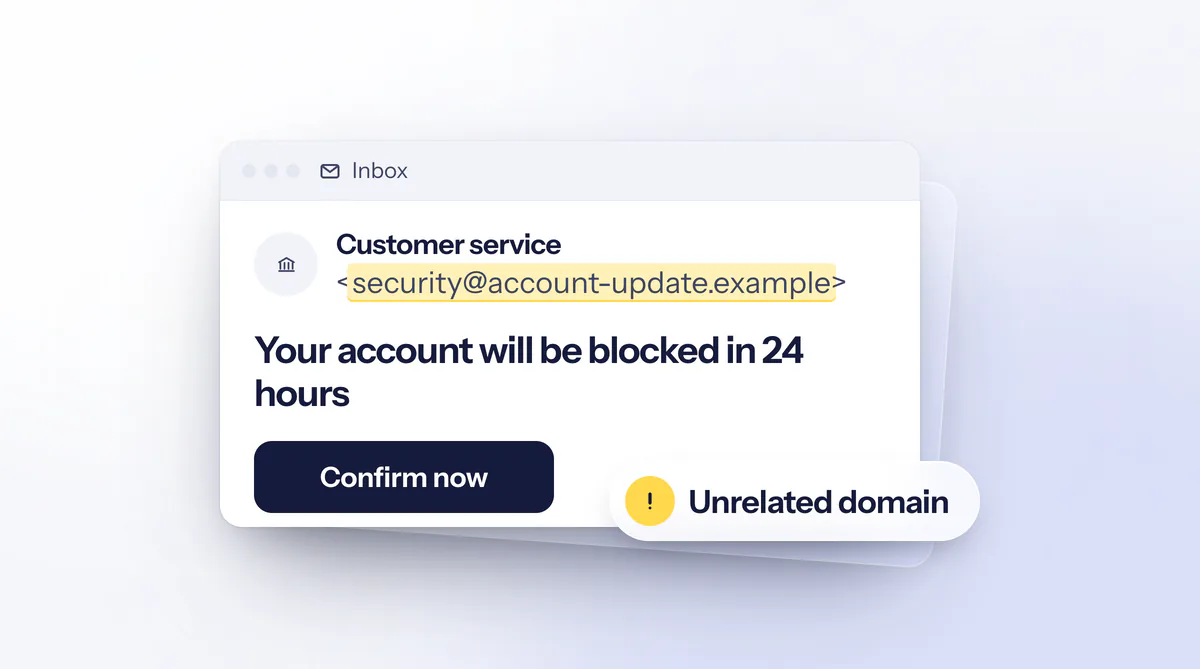
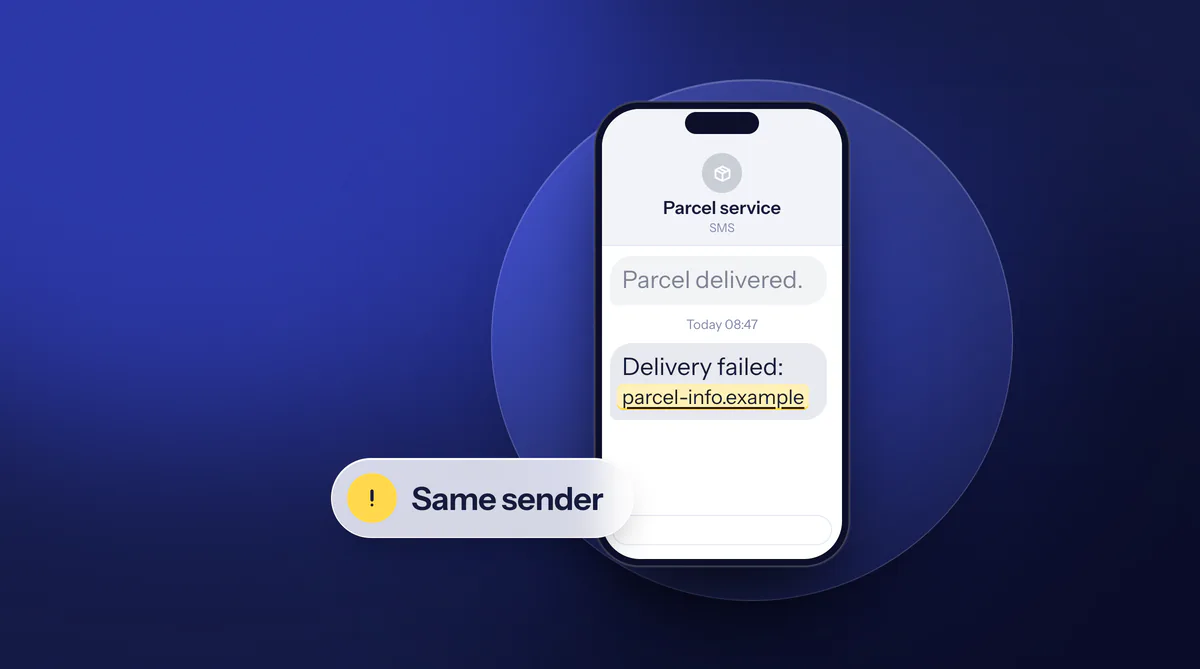
Kleinanzeigen says you can spot fake messages by a sender outside the platform’s domain, by an account block or a supposedly completed payment used as pressure, and by links to fake login or payment pages. Supposed PayPal screenshots are often forged as well. Until a genuine payment confirmation arrives, send neither data nor shipping receipts.
In the transport cost trap you are asked to advance shipping costs, for instance through an external service. According to the Verbraucherzentrale you never see that money again, and the goods are never paid for. Kleinanzeigen writes that outside “Sicher bezahlen” there is no courier service and no third-party payment service. If a buyer proposes a courier or payment service that wants money from you up front, treat it as a warning sign.
If you are buying
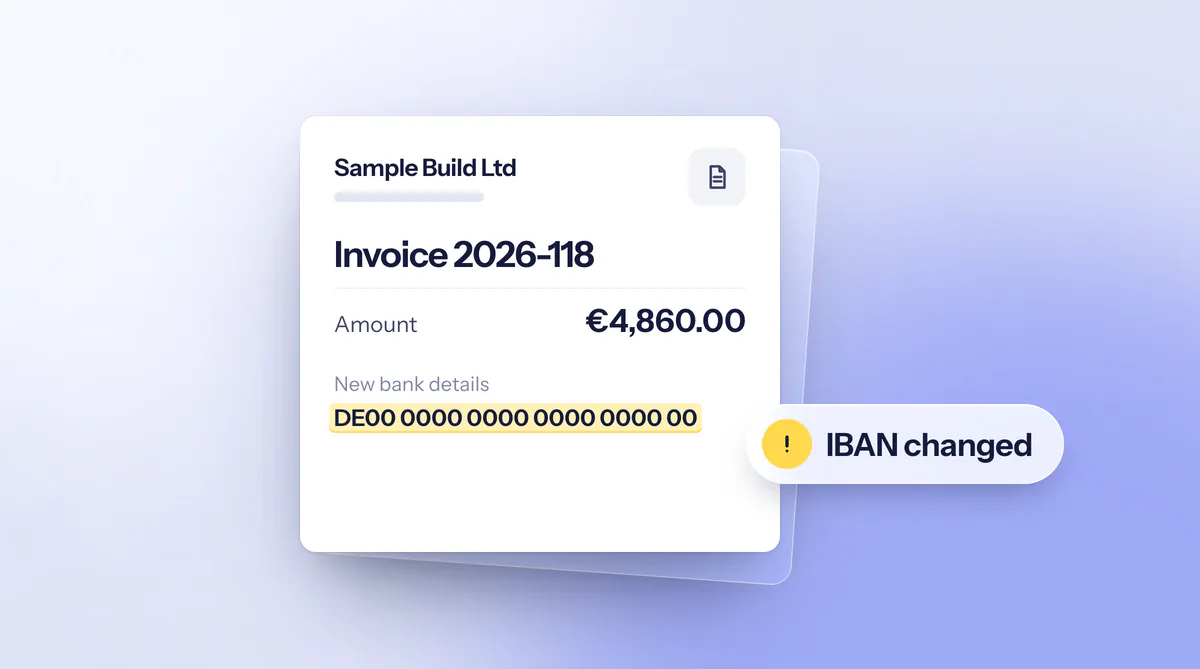
In triangle fraud, criminals change the seller’s bank details in the profile or in the messages. Your money lands with the offender, the genuine seller delivers nothing, and the executed transfer usually cannot be recovered. Sellers meet the reverse, the Verbraucherzentrale says: the payment comes from a hacked account, and the bank claws it back once the goods are on their way.
In a second form described by the police, the fake seller has you pay in advance and orders the goods from an online shop on invoice, with your address as the delivery address. The goods arrive, and later the shop chases you for the invoice. Watch for new goods sent by a third party instead of the seller, and for a delivery note or invoice in your name. If invoice issuer and sender do not match, the police advise contacting the retailer the parcel came from straight away. How this plays out with goods from online shops is described in the article Kleinanzeigen fraud and triangle fraud from our sister service fakeshop.ai.
What protects you most is the payment route. The police advise using the platform’s own payment systems until a purchase is completed, because outside them you lose the platform’s protection. Kleinanzeigen lists cash on collection, “Sicher bezahlen”, PayPal Goods and Services and credit card with chargeback as safer routes. A bank transfer without protection, PayPal “Friends and Family”, vouchers, prepaid codes and cryptocurrency count as unsafe there. “Friends and Family” carries no buyer protection, and anyone who proposes Western Union wants immediate access to the payment, says the Verbraucherzentrale.
If you still want to transfer, Kleinanzeigen recommends looking at the profile and badges first and checking product photos with a reverse image search. Even a long membership is no guarantee of safety, it adds. Be especially careful when the seller’s location and bank are far apart with no plausible explanation. You can have the IBAN looked up under Check an IBAN, though that does not replace a payment route with protection. Since 9 October 2025 your bank compares the recipient name and IBAN before you approve a euro transfer. If it reports no match, do not approve the transfer, because according to Commerzbank the bank does not reject it automatically and is not liable for the misdirected transfer if you approve despite the warning. More on changed bank details is in the guide New bank details on an invoice.
If you clicked or paid
If you are unsure whether a message is genuine, paste it into Check a message or upload a screenshot. An unremarkable result is no guarantee, so leave any payment link alone until you have looked in the app yourself.
What happened?
Only received the message
- Do not reply, open nothing
- Report the phishing link to Kleinanzeigen
- Delete the message
Opened link or QR code, entered nothing
- Close the page
- Change passwords
- Check the device for malware
- Watch your accounts
Entered card, account or login details
- Call the bank or payment service at once, have access blocked
- Report unknown debits without delay
- File a police report
- Secure evidence
Executed a transfer to an offender
- Call the bank at once, ask for a recall
- File a report with the account statement
- Secure evidence
- Report the profile and listing
Steps based on the Verbraucherzentrale and Kleinanzeigen, as of 17 Nov 2026.
Sources: Verbraucherzentrale Lower Saxony: Phishing trap on Kleinanzeigen; Verbraucherzentrale: Getting money back
- Block the payment method.
Tell the bank or payment service at once that login or card details have fallen into the wrong hands so that access is blocked.
- Inform the bank without delay.
Under Section 676b of the German Civil Code (BGB) you must report an unauthorised payment without delay after noticing it; report it more than 13 months after the day of the debit and claims against the bank are excluded. The period only runs if the bank has given you the legally required information on the payment.
- Change passwords, check the device.
Change all passwords, look for malware on the device and update your security software.
- Secure evidence.
Save emails, texts, chat histories, screenshots of the fake pages and of the transactions before you delete anything.
- File a police report.
The consumer advice centre advises this too.
- Inform the platform.
Report the phishing link through the form in the Kleinanzeigen help centre, and the profile or listing through the report function.
- If the bank refuses, push back.
Verbraucherzentrale Niedersachsen points to the free arbitration body. Which one is responsible is stated in the imprint of your bank’s website. If that fails, have your chances assessed by a lawyer.
What is still possible after a payment
An executed bank transfer often cannot be recovered, and according to the Verbraucherzentrale a quick call to the bank helps little because many transfers are booked in real time. Call anyway. A credit card payment can be challenged through the chargeback procedure with the card-issuing bank, which may involve a processing fee. A direct debit you can return within eight weeks, an unauthorised one up to 13 months after the debit. With PayPal, buyer protection usually applies to purchases of goods, and the terms are decisive. Western Union can only be recovered as long as the recipient has not collected the money, and the provider’s fraud hotline is the place to call.
If you fell for a “Sicher bezahlen” forgery as a seller, the Verbraucherzentrale says the bank usually cannot reverse the payment. Banks often refuse refunds on grounds of gross negligence, Verbraucherzentrale Niedersachsen reports, but several courts saw it differently for first-time users of “Sicher bezahlen”, and one Berlin court spoke of a momentary lapse. So you need not accept a refusal from the bank.
Where to report it
You file a report with the police, online in many federal states. An overview of online stations and offices in Austria and Switzerland is under Where to report it. Similar fakes by text are covered in the guide Text message fraud and spoofed senders, by email in the guide Spotting and reporting phishing emails. Current patterns are under Warnings.