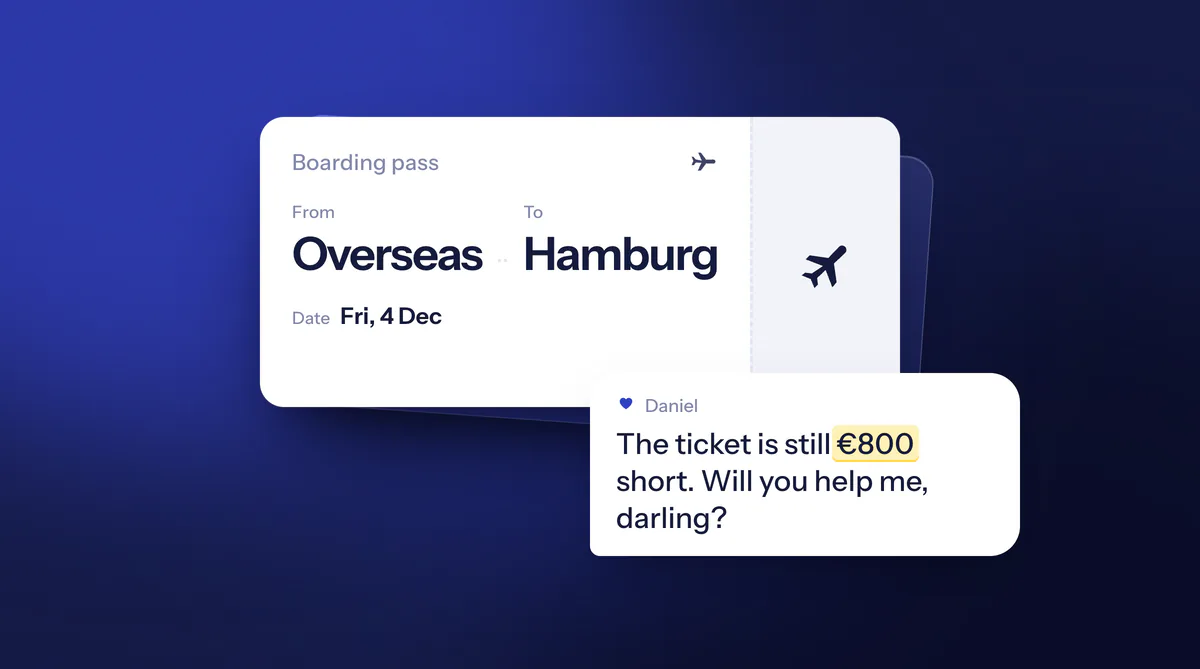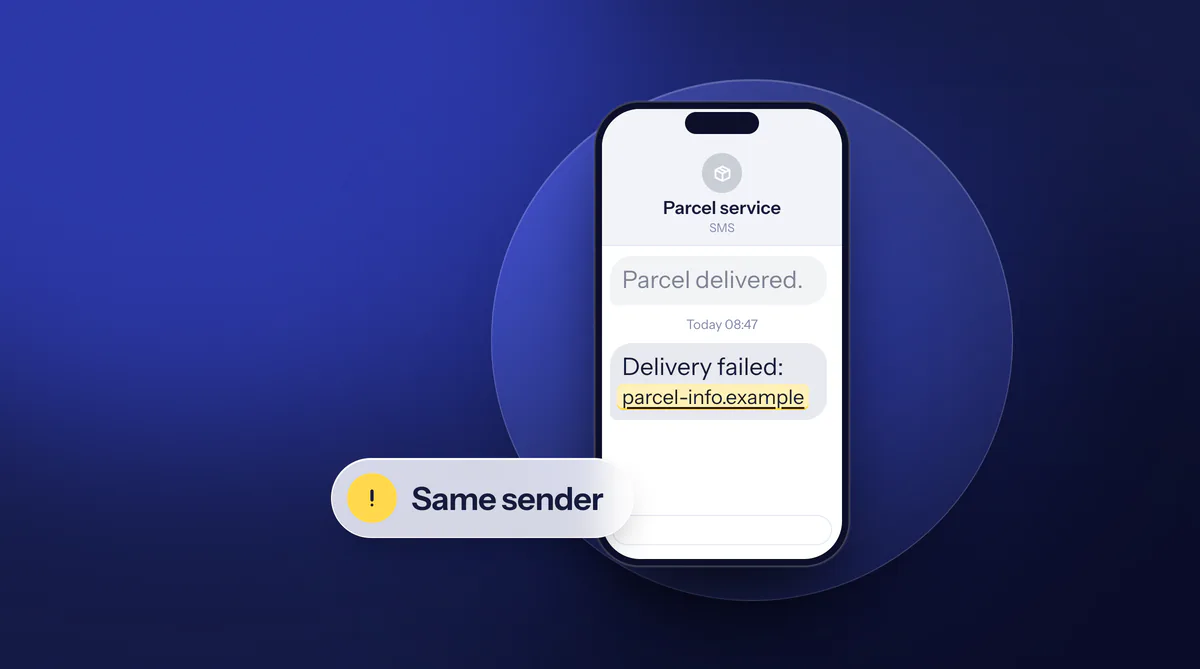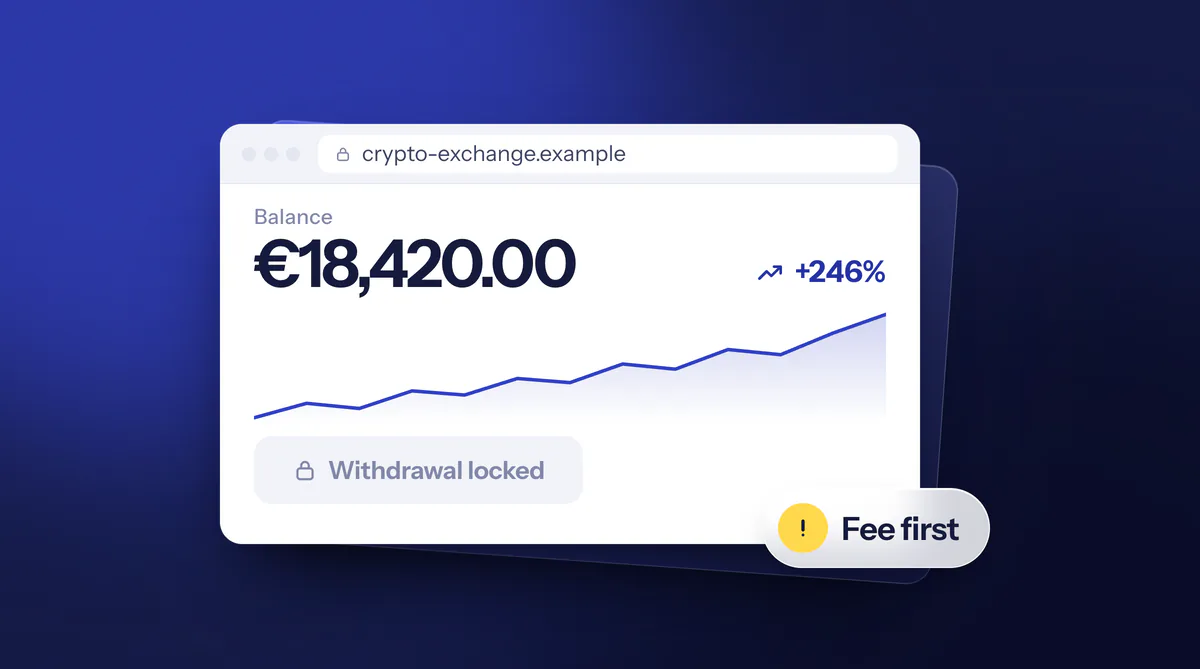
It starts with an advert or a friendly message in a messenger, an invitation to a group called “School” or “Academy”, for instance. The first deposit is small; the consumer advice centre gives 250 euros as the typical start. The platform shows profits, an adviser keeps in touch, and you pay in more. Then you try to withdraw, and first a fee, a tax or a security deposit is supposedly due.
What happens on the platform
The offenders make unsolicited contact via messenger or phone and pose as experts. In many cases, the police say, no trading happens at all and the platform’s software only shows invented transactions and profits. To pay, BaFin says, you are told to set up a wallet at a crypto trading platform. The money is changed into bitcoin and lands in the criminals’ wallet.
On WhatsApp and Telegram the offenders spend weeks building trust, show forged licence documents and let demo accounts make small payouts, so that you believe money comes back out too. After that comes pressure to pay in more.
- 1ContactAdvert with celebrities or a message in a messenger.
- 2TrustGroup, demo account, small payout.
- 3DepositThe amount goes to the offenders’ wallet.
- 4Fake profitChart rises, withdrawal needs a fee or tax.
- 5Recovery agentsSecond wave: money is found, advance needed.
Typical course according to descriptions by BaFin, the police and the consumer advice centre. The order can differ in individual cases.
Sources: BaFin: Fraudulent trading platforms; BaFin: Investment fraud via WhatsApp and Telegram; Police crime prevention: Recognising and avoiding cybertrading fraud
How to recognise a platform that does not pay out
It shows most clearly when you ask to withdraw. According to the consumer advice centre, you are then told a capital loss has occurred, or that the payout depends on further payments such as profit taxes, administration fees or a security deposit against money laundering. BaFin also knows the “mirror transaction”, where you are to transfer an amount in advance to link accounts, and the “proof of liquidity”.
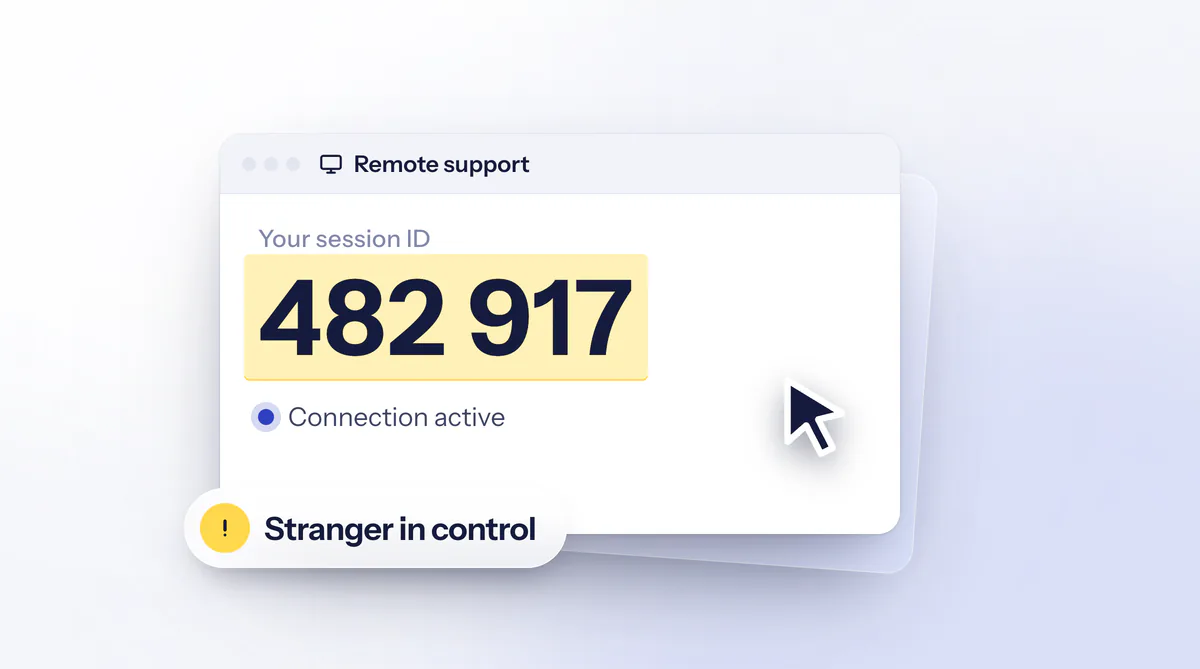
Other things stand out earlier. The contact came without you seeking it, as a cold call, a group invitation or an advert with misused celebrity images or AI content. You are promised high profits for a small stake, although the police point out that high profit chances always come with high risk. You are pushed to decide quickly and pay in crypto, often, BaFin says, through crypto wallets or private individuals’ accounts. If the imprint is incomplete, BaFin advises asking for a complete one and checking the domain’s age with a WHOIS lookup. If the adviser wants remote access to your computer, refuse, because BaFin and the police warn expressly against it.
Before you send more money, you can have the recipient account checked in the IBAN check on onlinebetrug.ai. The message check looks at a message from a messenger. An unremarkable result is no guarantee; it only shows that nothing stood out in the features checked.
Whether the provider is licensed
The police recommend looking providers up in the BaFin database before registering and before any transfer, and they advise against sending money to providers without a BaFin licence. Anyone providing crypto-asset services needs authorisation under Regulation (EU) 2023/1114 (MiCAR). According to BaFin, once granted it is published in the Federal Gazette, in the BaFin company database and in ESMA’s interim MiCAR register.
Custody is covered too. According to the BaFin guidance notice, custody and administration means the safekeeping or control of crypto-assets, or of the means of access to them, on behalf of clients, and corresponds to the former crypto custody business under the German Banking Act. Carrying it out on a commercial basis requires authorisation even if it is directed across borders at customers in Germany.
The MiCA transitional period ended on 1 July 2026. On 23 June 2026 ESMA stated that clients of unauthorised providers do not benefit from MiCA safeguards, including protection of client assets. It asks clients to check the ESMA register to see whether their provider is authorised. A missing entry is a warning sign. An existing entry says nothing about whether someone writing to you in a chat is acting for that provider, because according to BaFin the offenders also misuse the names and data of uninvolved companies. If you want to ask, use the contact details in the register and never the number in the message.
If you have already paid in
The chances of getting money back are very low, say the consumer advice centre and BaFin, because the offenders operate internationally and are hard to trace. The sooner your bank and the police know, the more likely an option stays open. The steps come from the police and the consumer advice centre.
- Stop further payments.
Do not pay any fee, tax or security deposit for the withdrawal.
- Break off contact and inform your bank.
Ask whether a transfer can still be recalled and have your account or card blocked if necessary.
- Keep evidence.
Screenshots of the platform, chat histories, payment receipts, the advisers’ names and phone numbers, wallet addresses and transaction numbers. More under Already paid?.
- File a police report.
At a local station or online; the public prosecutor’s office also takes reports. Your state’s online police station is listed under Where to report it.
- Inform the financial authorities.
Report the case to the responsible financial authorities as well.
How did you pay?
Bank transfer
- Call the bank at once, ask for a recall.
- Then file a police report.
Credit card
- Ask the card bank about a chargeback.
- Fees may apply.
- Then file a police report.
Crypto wallet
- Secure wallet addresses and transactions.
- Then file a police report.
Whether money can be recovered depends on the payment method. According to the consumer advice centre, a transfer your bank has already executed cannot be reversed.
Sources: Consumer advice centre: Internet fraud, how you can try to get your money back (as of 3 Aug 2026); Police crime prevention: Recognising and avoiding cybertrading fraud
How much is still possible depends on how you paid. According to the consumer advice centre, a transfer your bank has already executed cannot be reversed. For credit cards there is the chargeback procedure through the issuing bank, with possible processing fees. For SEPA direct debits it names 8 weeks for authorised and up to 13 months for unauthorised debits. The page gives no deadline for chargebacks, so get in touch without delay. A guide for your case is under Already paid?.
Why recovery offers are a scam themselves
After a loss, helpers often appear, and the police, the consumer advice centre and BaFin all warn about them. According to the police they are fraudsters again, this time posing as investigators or lawyers, who promise to recover the money for a fee or an advance. Sometimes, BaFin says, they only turn up years later, claiming the money has been found or secured.
On 4 May 2026 BaFin warned about a website that supposedly helps recover fraud money, and urgently advises against responding to such offers. Decline contact and report it to the police or the public prosecutor’s office. If someone phones in the name of an authority or a law firm, you can have the number checked in the phone number check. If someone gives you a new account number for the fee, the guide New bank details on an invoice helps, and current cases are collected on the warnings page.